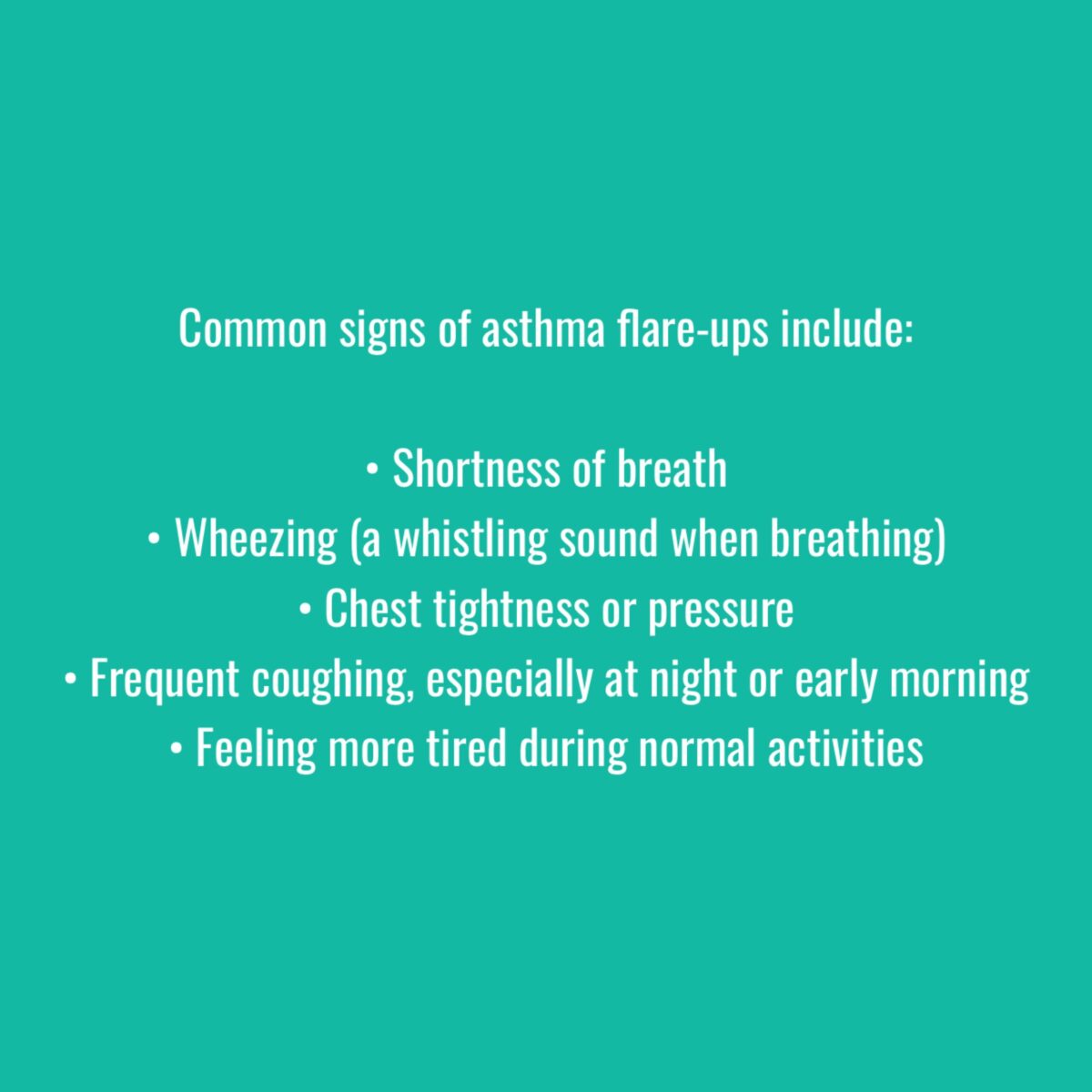
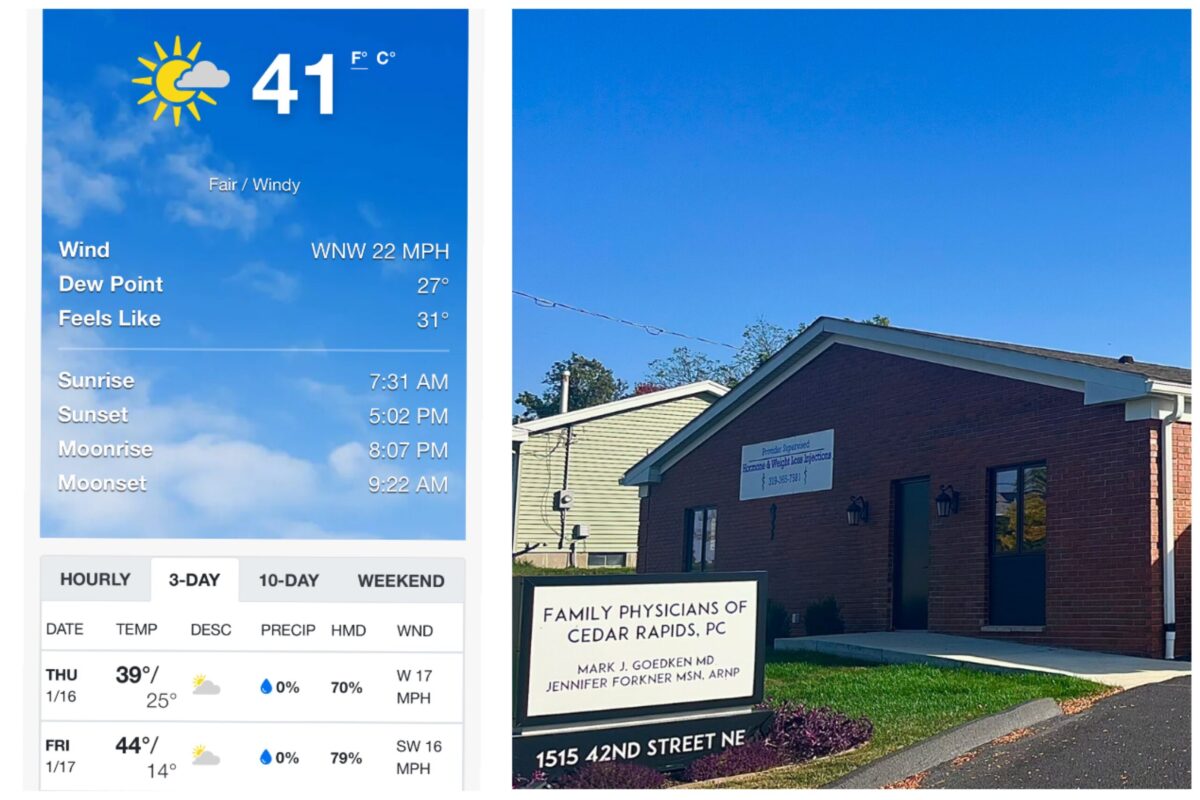
Cold air can be a major trigger for asthma symptoms. When you breathe in chilly, dry air, it can irritate your airways and cause them to tighten, making it harder to breathe. Common signs of asthma flare-ups include: • Shortness of breath • Wheezing (a whistling sound when breathing) • Chest tightness or pressure • Frequent coughing, especially at night or early morning • Feeling more tired during normal activities Winter weather, respiratory illnesses, and even exercising outdoors in the cold can make symptoms worse. Helpful tips during cold weather: ✔️ Cover your nose and mouth with a scarf to help warm the air before you breathe it in ✔️ Take medications exactly as prescribed ✔️ Keep rescue inhalers with you at all times ✔️ Avoid outdoor activity on very cold or windy days if symptoms are not well controlled ✔️ Stay up to date on flu and respiratory illness prevention If […]
-
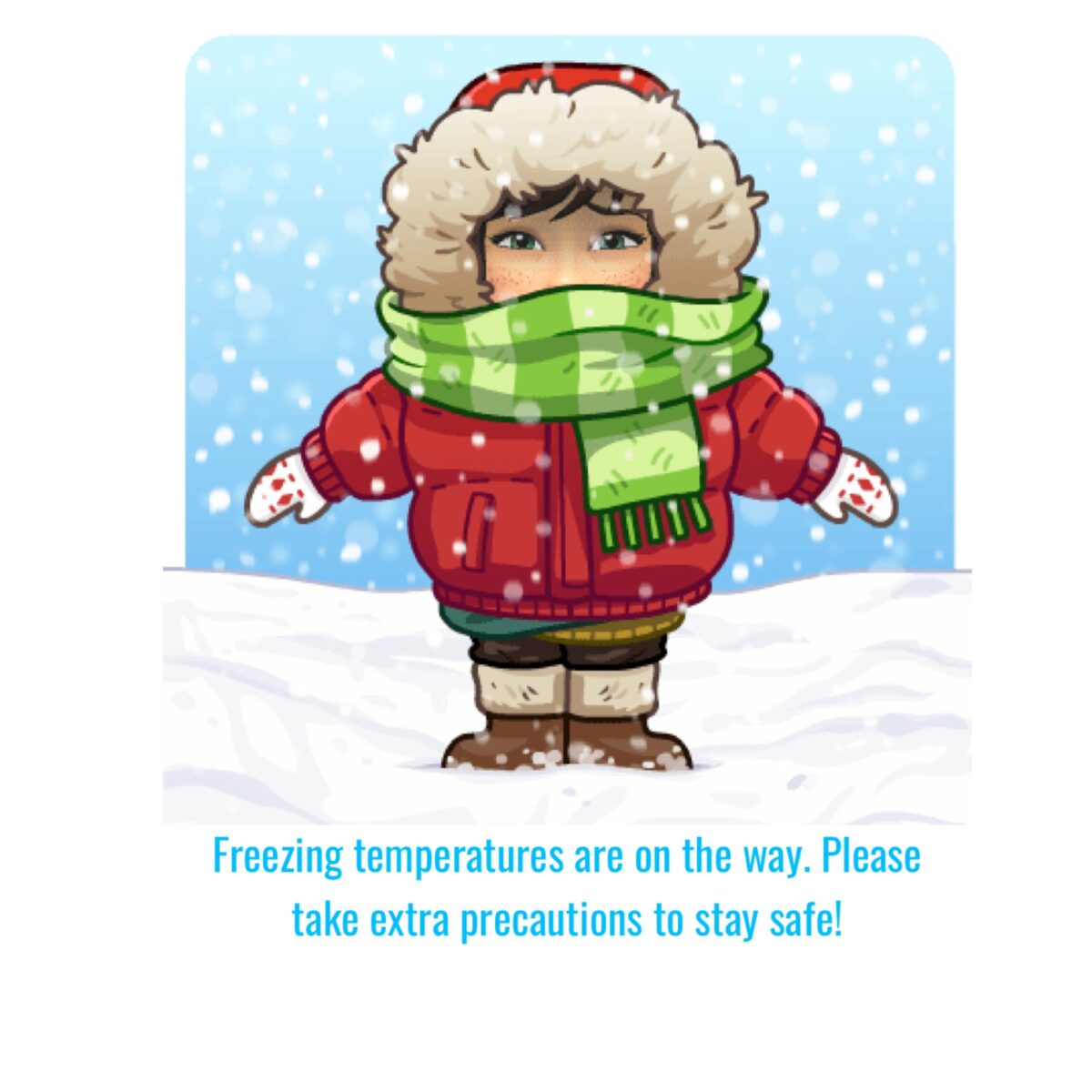
With freezing temperatures moving into our area, we want to remind our patients to take extra precautions to stay safe and healthy during this cold snap. Frostbite & Cold Exposure • Limit time outdoors when temperatures drop below freezing. • Dress in layers and cover exposed skin, especially hands, feet, ears, and your face. • Watch for signs of frostbite such as numbness, tingling, pale or hard skin, and seek medical care if symptoms occur. • Avoid tight footwear or gloves that may reduce circulation. Prevent Slips & Falls • Use caution on icy sidewalks, driveways, and parking lots. • Wear shoes with good traction and take slow, careful steps. • Keep walkways clear of ice and snow when possible. Stay Warm & Safe Indoors • Keep your home adequately heated. • Use space heaters safely, keep them away from flammable items and never leave them unattended. • Check on elderly family […]
-
This first Monday is a reminder that small steps today can lead to meaningful changes tomorrow. Whether it’s scheduling that checkup, prioritizing rest, moving your body, or simply being kinder to yourself, every choice counts. Our team is honored to walk alongside you in this journey and support your health goals all year long. Here’s to a year of wellness, strength, and feeling your best, one day at a time.

As we welcome a brand-new year, we want to thank you for trusting us with your health. May this year bring you happiness, good health, and peace of mind. We look forward to continuing to care for you and your family in the year ahead. Cheers to a healthy New Year!
-
This time of year, we’re seeing an increase in respiratory illnesses such as RSV, Mycoplasma pneumonia, and Flu A & B. These are viral infections that can last up to 2–3 weeks, and in some cases, such as walking pneumonia, a lingering cough may persist for months. Here are some general recommendations for managing symptoms at home: • Mucinex DM or similar over-the-counter medications can help loosen and thin mucus. • Stay well-hydrated by drinking plenty of fluids, especially water. • Use a humidifier to ease congestion. • For cough relief, consider an appropriate cough medicine. • Tylenol or ibuprofen can help reduce fever, pain, and headaches. • Sinus rinses or nasal flushing can relieve sinus pressure and headaches. As always, please stay home if you’re feeling unwell, wash your hands frequently, and prioritize rest and hydration. If your symptoms worsen or persist, don’t hesitate to contact our office for further evaluation.

In extremely cold temperatures, it’s crucial to take steps to protect yourself from frostbite and hypothermia. Frostbite can occur in minutes when skin is exposed to freezing temperatures, especially on extremities like fingers, toes, ears, and the nose. To stay safe, wear several layers of loose, warm clothing, and ensure that your hands, feet, and head are well-covered with insulated gloves, thick socks, and a hat. Avoid staying outside for long periods, and watch for signs of frostbite, such as numbness, tingling, or pale, hard skin. If you suspect frostbite, seek warmth immediately and avoid rubbing the affected area, as this can cause further damage. We encourage staying indoors during extreme cold, staying hydrated, and checking on others, especially the elderly or those with health conditions, are also vital to prevent cold-related injuries. When to see a doctor: Other than frostnip, frostbite injuries need to be checked by a healthcare professional to […]
-
This winter has been a little warmer than usual, and it’s the perfect time to step outside and soak up some sunshine! Spending time outdoors is not just refreshing but also great for your health. Sunlight is a natural mood booster, supports vitamin D production, and helps improve your overall well-being. Take a walk or visit a park. The crisp air and extra sunlight can do wonders for your mind and body during the colder months. Stay active, stay healthy, and don’t forget your sunscreen!
At our doctor’s office, we proudly offer BioTE® hormone replacement therapy (HRT) to help you achieve optimal health and wellness. Using advanced testing, we evaluate your hormone levels to identify imbalances that may affect your energy, mood, and overall quality of life. BioTE® HRT provides a natural, bioidentical solution tailored to your unique needs, helping restore balance and improve your well-being. Take the first step toward feeling your best, schedule your BioTE® HRT consultation with us today! Why would one want to test for HRT? Someone may want to come in and test for hormone replacement therapy (HRT) if they’re experiencing symptoms that suggest a hormone imbalance, such as fatigue, mood swings, weight gain, decreased libido, brain fog, or trouble sleeping. Hormones play a crucial role in regulating many bodily functions, and imbalances can significantly affect quality of life. Testing allows individuals to understand what’s happening in their body and explore treatment […]

Just like a doctor’s office is dedicated to healing and protecting lives, efforts to save our nation’s eagles embody the same commitment to care and preservation. Eagles symbolize strength, resilience, and freedom—qualities we strive to uphold in every patient interaction. By protecting these majestic creatures and their habitats, we are reminded that health, whether human or environmental, is a collective responsibility. Let’s soar together toward a healthier, more compassionate world for all! These incredible photos were taken by Kevin J Railsback by the Cedar Rapids River.

Cervical cancer is a serious but preventable condition that affects the cervix, the lower part of the uterus. Regular screenings, such as Pap smears and HPV tests, play a vital role in detecting abnormal changes early, when treatment is most effective. Vaccination against the human papillomavirus (HPV), the leading cause of cervical cancer, is another key step in prevention. Symptoms can include abnormal bleeding, pelvic pain, or unusual discharge, but the disease may often develop silently, emphasizing the importance of routine check-ups. At our medical office, we are committed to providing education, screenings, and compassionate care to support your overall health and well-being.