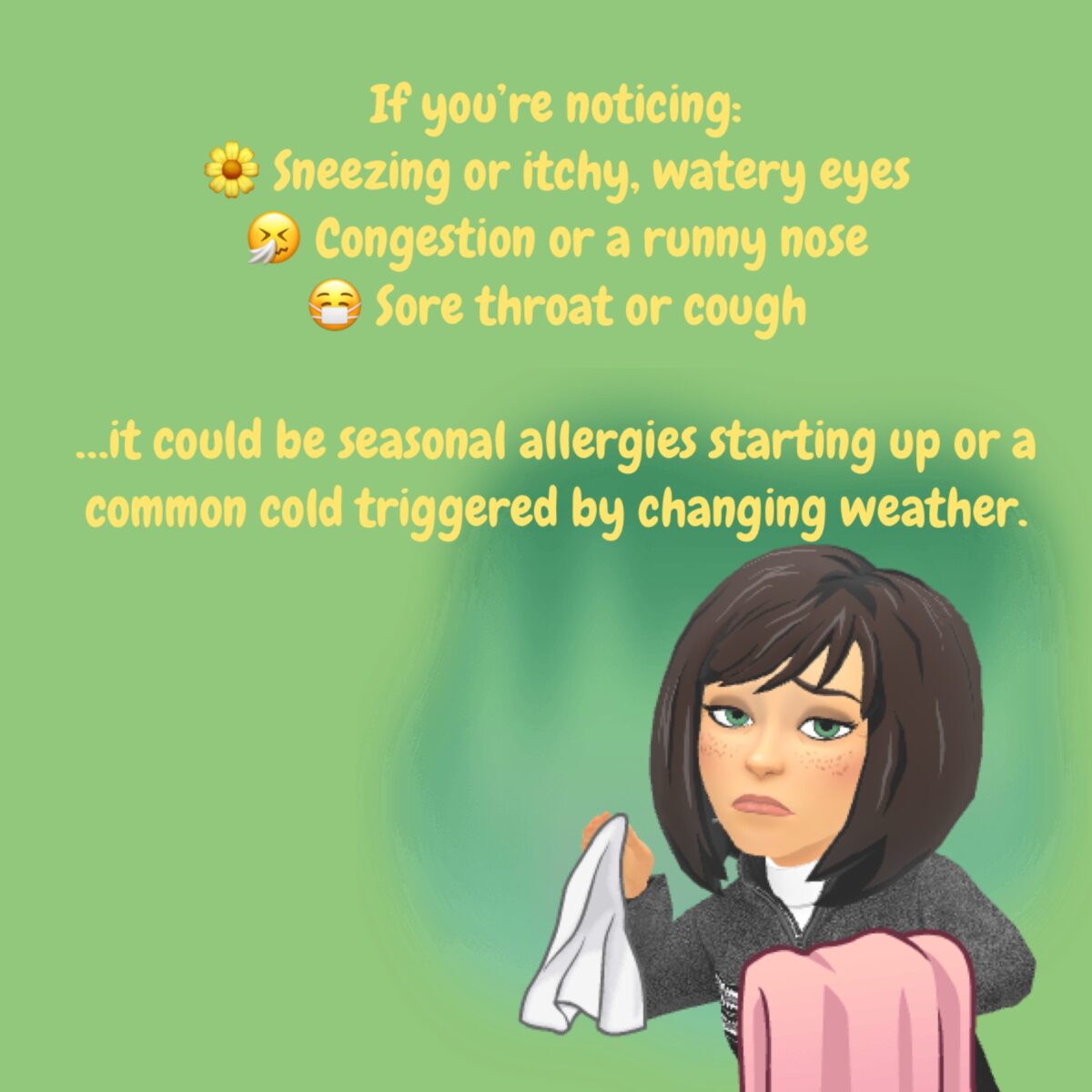
It looks like we may be getting a little warm-up in the weather next week and while that sunshine feels amazing, those temperature swings can bring along some unwelcome guests too. If you’re noticing: 🌼 Sneezing or itchy, watery eyes 🤧 Congestion or a runny nose 😷 Sore throat or cough …it could be seasonal allergies starting up or a common cold triggered by changing weather. It can be tricky to tell the difference, stay well, and enjoy that sunshine.

National Fresh Squeezed Juice Day 🍊 Today we’re celebrating National Fresh Squeezed Juice Day, a perfect reminder that what we put into our bodies truly matters, especially during cold and flu season. Freshly squeezed juices are packed with vitamin C, antioxidants, and immune-boosting nutrients that help support your body when it needs it most. With the weather changing and germs spreading, now is the time to focus on hydration, nourishing foods, and simple habits that strengthen your immune system. Whether it’s a glass of fresh orange juice in the morning or adding fruits and veggies to your daily routine, small choices can make a big difference in how you feel. At our office, we love helping our patients stay well, not just when you’re sick, but all year long. Here’s to sipping, staying healthy, and giving your immune system a fresh boost today!

Not every sniffle is the same and during the holidays, knowing the difference can help you feel better faster. Common Cold Symptoms: • Runny or stuffy nose • Sneezing • Sore throat • Mild cough • Mild fatigue • Symptoms usually come on gradually Flu Symptoms: • Sudden fever or chills • Body aches and muscle pain • Headache • Extreme fatigue • Dry cough • Symptoms often come on quickly and hit hard If you’re feeling more “bah humbug” than holly jolly, don’t guess especially during Christmas week. Our office is here to help determine what’s going on so you can rest, recover, and get back to enjoying the season with those you love.

In extremely cold temperatures, it’s crucial to take steps to protect yourself from frostbite and hypothermia. Frostbite can occur in minutes when skin is exposed to freezing temperatures, especially on extremities like fingers, toes, ears, and the nose. To stay safe, wear several layers of loose, warm clothing, and ensure that your hands, feet, and head are well-covered with insulated gloves, thick socks, and a hat. Avoid staying outside for long periods, and watch for signs of frostbite, such as numbness, tingling, or pale, hard skin. If you suspect frostbite, seek warmth immediately and avoid rubbing the affected area, as this can cause further damage. We encourage staying indoors during extreme cold, staying hydrated, and checking on others, especially the elderly or those with health conditions, are also vital to prevent cold-related injuries. When to see a doctor: Other than frostnip, frostbite injuries need to be checked by a healthcare professional to […]