by Family Physicians
Share
by Family Physicians
Share

Shingles, also known as herpes zoster, is a painful rash caused by the reactivation of the varicella-zoster virus, the same virus that causes chickenpox. After a person recovers from chickenpox, the virus stays dormant in the nervous system and can reactivate later in life, leading to shingles.
Shingles often begins with burning, tingling, or itching on one side of the body, followed by a rash that develops into fluid-filled blisters. The rash typically appears in a band-like pattern along a nerve pathway. Other symptoms may include fever, headache, fatigue, and sensitivity to light.
Who is at Risk?
Anyone who has had chickenpox is at risk for shingles, but it is more common in:
• Adults 50 years and older
• Individuals with weakened immune systems (due to conditions like cancer, HIV, or certain medications)
• People under high stress or with a history of chronic illnesses
The Shingles Vaccine
The Shingrix vaccine is the best way to protect against shingles and its complications, such as postherpetic neuralgia (PHN)—a long-lasting nerve pain that can occur even after the rash heals.
The CDC recommends Shingrix for:
• Adults 50 and older, even if they’ve had shingles before
• Adults 19 and older with weakened immune systems
• Those who previously received the older Zostavax vaccine (which is no longer available in the U.S.)
Shingrix is given in two doses, spaced 2 to 6 months apart, and has been shown to be over 90% effective at preventing shingles.
Why Get Vaccinated?
Shingles can be extremely painful and may lead to long-term nerve damage. Getting vaccinated significantly reduces the risk of developing shingles and its complications, keeping you healthy and protected.
If you have questions or want to schedule your Shingrix vaccine, contact our office today!

Did you notice it stayed lighter a little longer last night? That’s because we just “sprang forward” with Daylight Saving Time! While losing an hour of sleep can feel a little rough on a Monday morning, the extra evening daylight brings a wonderful opportunity for something good, movement and fresh air. Daylight Saving Time was first widely adopted during World War I as a way to make better use of daylight hours and conserve energy. Over the years, it has become something many of us look forward to because it signals the approach of spring, longer days, and more time outside. And those longer evenings can be great for your health. That extra hour of daylight is the perfect reminder to: • Take a walk after dinner • Ride a bike with your family • Play outside with the kids or grandkids • Simply step outside for some fresh air and sunshine […]
-
A little rain today, but a whole weekend ahead of us. Sometimes a rainy day is nature’s way of reminding us to slow down, rest, and take care of ourselves. Use today as a small check-in with your health: •Drink a little extra water •Take a short walk when the rain lets up •Get some good rest this weekend •Choose something nourishing for your body Health doesn’t have to be big changes all at once. Sometimes it’s just the small choices we make each day. From all of us at the office, we hope you stay warm, stay healthy, and enjoy the weekend ahead. If you need us, we’re always here for you.
-
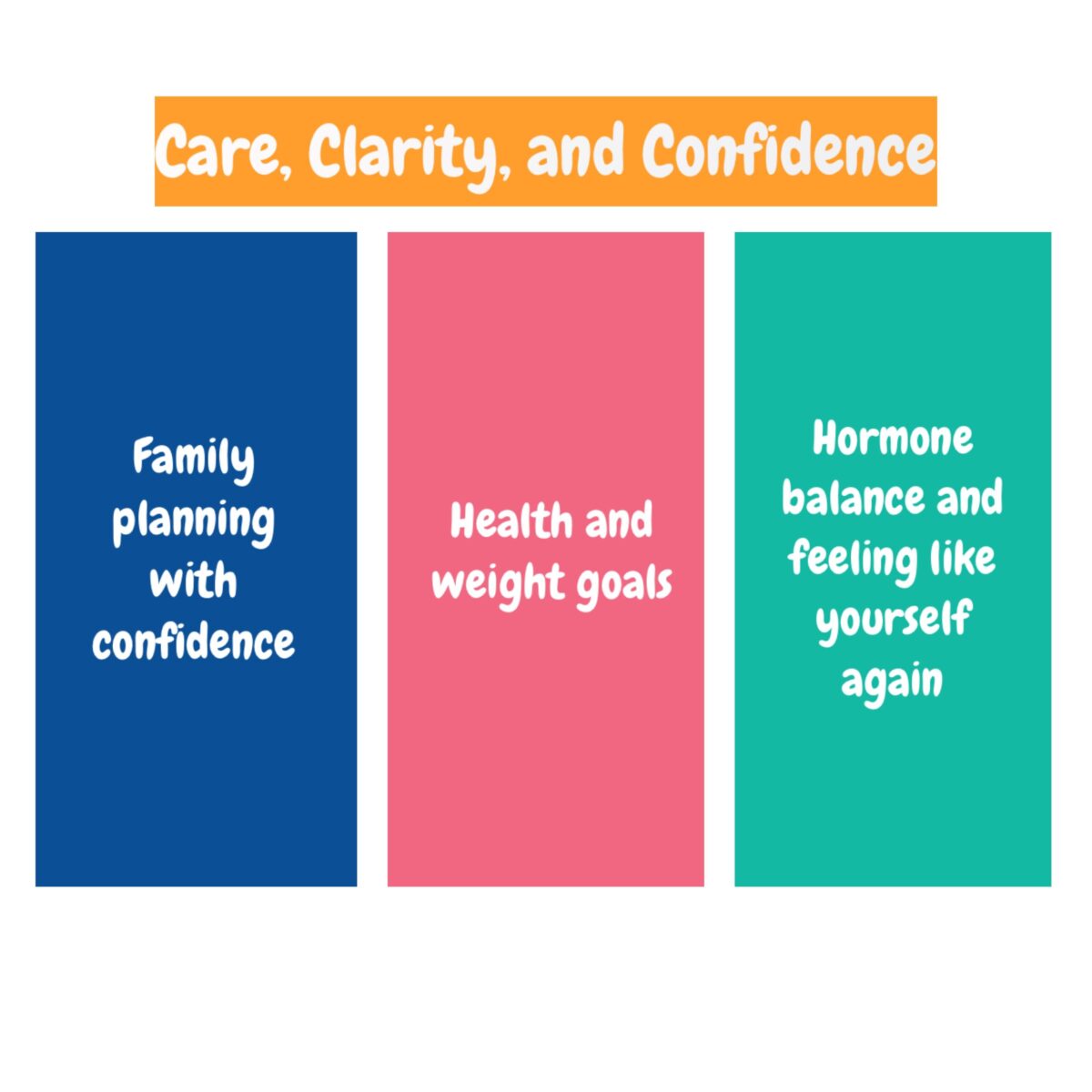
March always feels like a fresh start. The days get longer. The air feels lighter. We start thinking about growth, change, and taking care of ourselves in new ways. At our office, that’s exactly what we focus on, helping you move forward confidently in every stage of life. Clear Answers. No Surprises. One thing our patients tell us they appreciate most is that we take the time to explain things clearly. Whether you’re considering a No-Scalpel Vasectomy, starting weight loss injections, or exploring hormone therapy, we believe you deserve to understand the process fully, without confusion or pressure. We don’t rush conversations. We answer the hard questions. We make sure you feel comfortable. Because healthcare decisions are personal. VASECTOMIES Our doctor offers the modern no-scalpel technique, which means: • A small opening instead of a large incision • Minimal downtime • Quick in-office procedure • Over 99% effective after confirmation testing Most […]

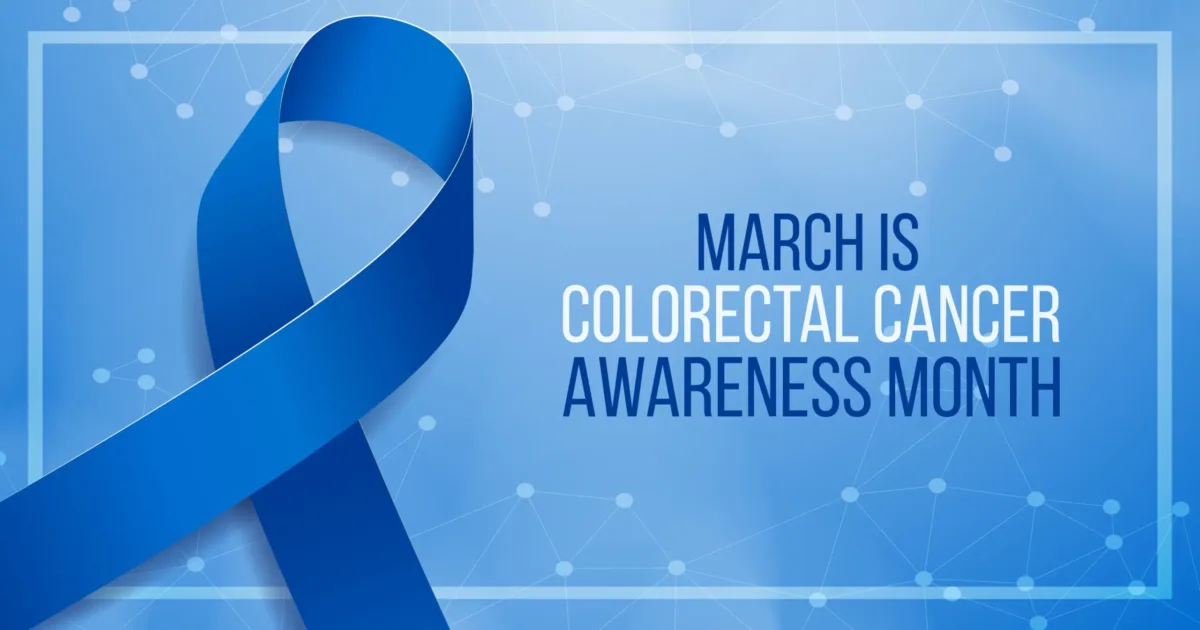
March often makes us think of green, fresh starts, springtime, and a new season ahead. But there’s another important color this month: blue. 💙 March is Colorectal Cancer Awareness Month, a time dedicated to education, early detection, and prevention. As we step into the first Monday of March, it’s the perfect reminder to prioritize something we often put off, our health. ⸻ Why This Matters Colorectal cancer affects the colon or rectum and is one of the most common cancers in both men and women. The good news? It is highly treatable and often curable when caught early. Screenings save lives. Early detection truly makes all the difference. ⸻ Signs & Symptoms to Watch For Colorectal cancer can sometimes develop quietly, but there are symptoms you should never ignore: • Changes in bowel habits (diarrhea, constipation, or narrowing of stool) lasting more than a few days • Blood in or on the […]