
by Family Physicians
Share
by Family Physicians
Share
Did you notice it stayed lighter a little longer last night? That’s because we just “sprang forward” with Daylight Saving Time! While losing an hour of sleep can feel a little rough on a Monday morning, the extra evening daylight brings a wonderful opportunity for something good, movement and fresh air.
Daylight Saving Time was first widely adopted during World War I as a way to make better use of daylight hours and conserve energy. Over the years, it has become something many of us look forward to because it signals the approach of spring, longer days, and more time outside.
And those longer evenings can be great for your health. That extra hour of daylight is the perfect reminder to:
• Take a walk after dinner
• Ride a bike with your family
• Play outside with the kids or grandkids
• Simply step outside for some fresh air and sunshine
Even 20–30 minutes of movement can help improve heart health, boost mood, reduce stress, and support better sleep.
So as we head into this Monday and adjust to the time change, think of the brighter evenings as a small gift for your health. A little sunshine, a little movement, and a little fresh air can go a long way.
Here’s to longer days, brighter evenings, and healthier habits this spring.
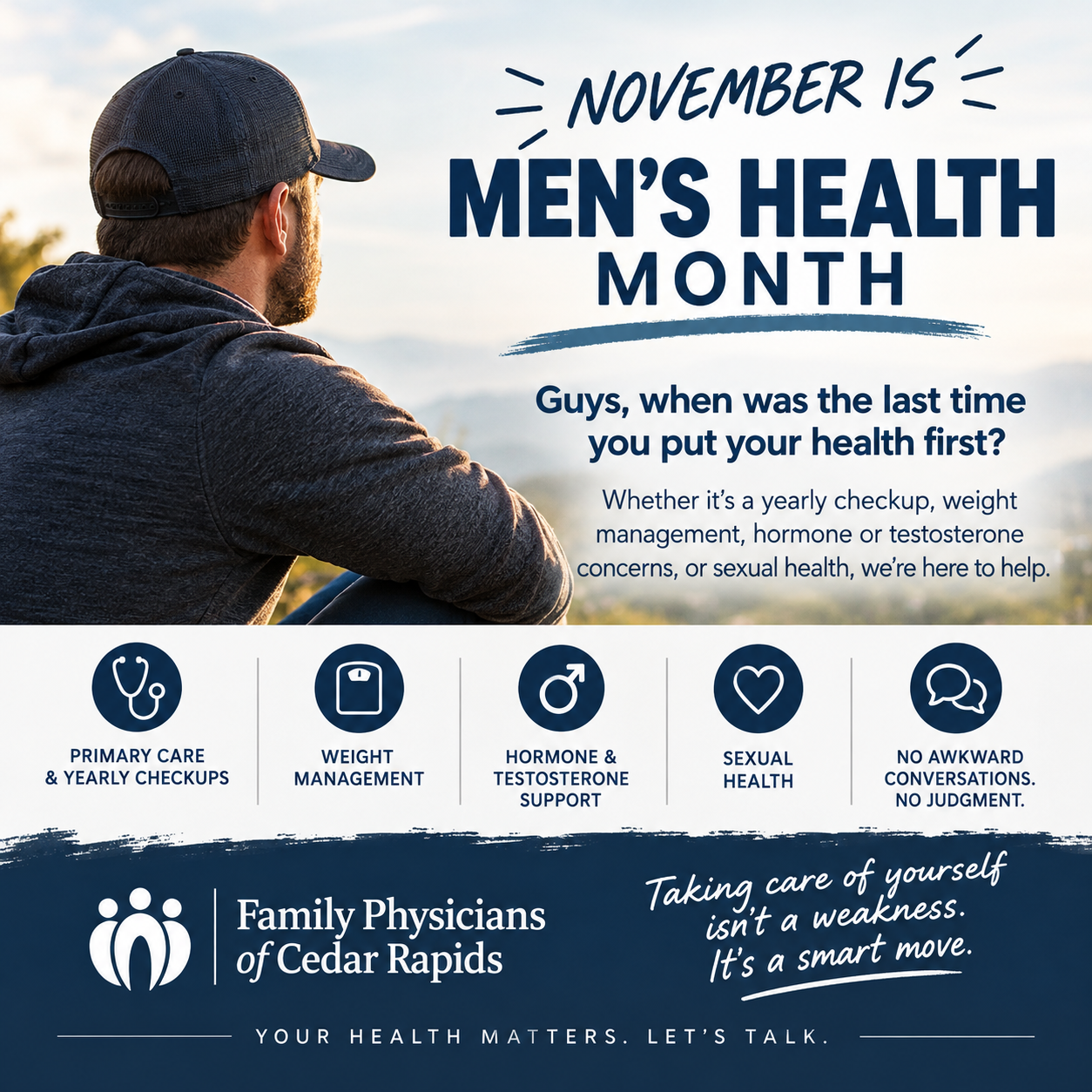
No awkward conversations. No judgment. Just honest answers, good care, and a plan that works for you. Taking care of yourself isn’t a weakness. It’s a smart move. Your health matters. Let’s talk. — Family Physicians of Cedar Rapids

Today, we pause to recognize and thank the brave men and women who have served our country. Your courage, sacrifice, and dedication have given us so much to be grateful for. To our veterans, our patients, our family members, and all who have worn the uniform, please know that your service is appreciated more than words can express.
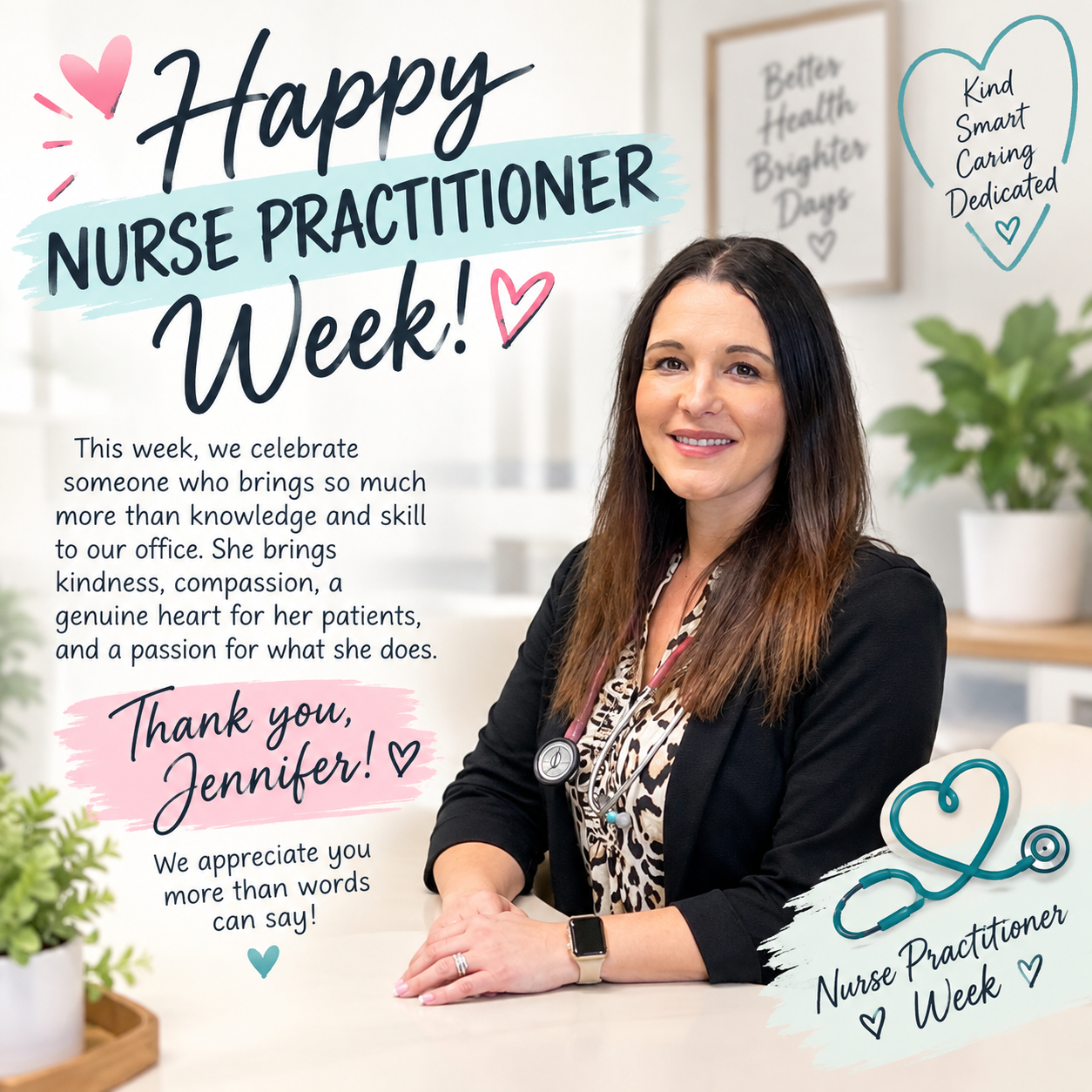
We are so lucky to have her as part of our team, and our patients are lucky to have her in their corner.
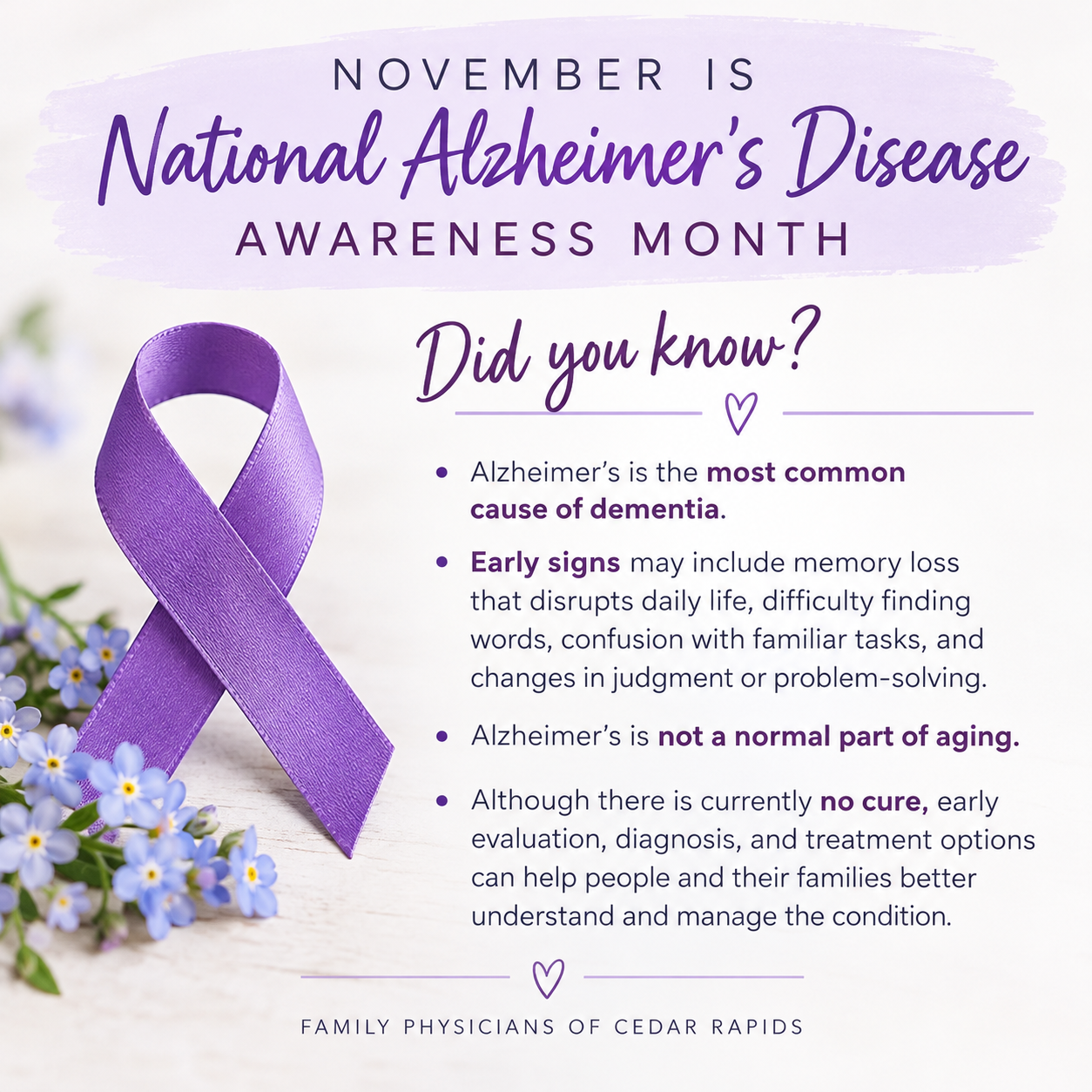
Alzheimer’s disease is more than simply forgetting things. It is a progressive brain disease that affects memory, thinking, behavior, and eventually the ability to carry out everyday activities. Don’t ignore the signs. Start the conversation. Let’s raise awareness, encourage early conversations, and remember that every memory matters.