by Family Physicians
Share
by Family Physicians
Share
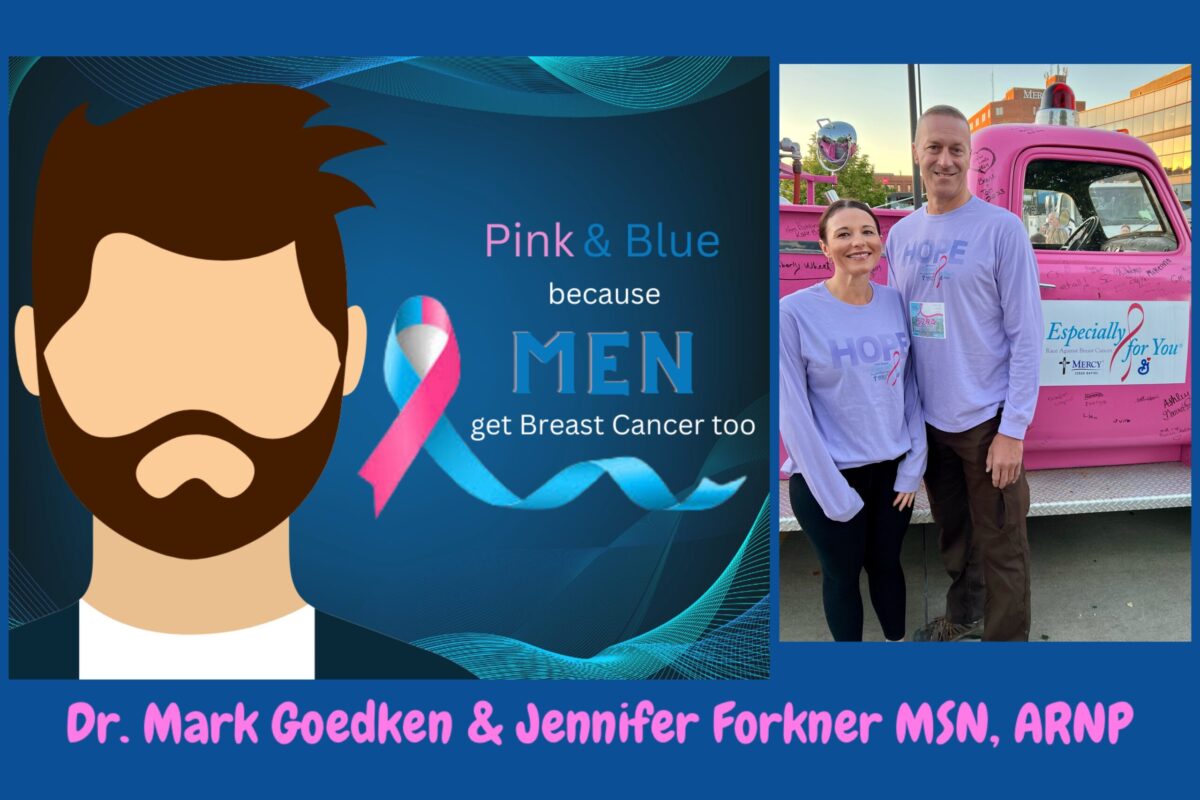
When most people think of breast cancer, they picture women. But the truth is, men can also develop breast cancer though it is far less common. In fact, about 1 out of every 100 breast cancer diagnoses in the United States is found in a man.
Because many men don’t realize they’re at risk, symptoms are often overlooked. Warning signs may include:
• A lump or swelling in the chest area
• Skin dimpling or puckering
• Nipple discharge
• Redness or scaling around the nipple or chest
Risk factors include family history, certain genetic mutations (like BRCA1/BRCA2), radiation exposure, and hormonal imbalances.
The most important message: breast cancer doesn’t discriminate by gender. Awareness and early detection save lives. If you or the men in your life notice changes in the chest or nipple area, don’t ignore them, talk with a doctor.
This October, as we honor Breast Cancer Awareness Month, let’s also remember the men who are fighting, surviving, and raising awareness.

Primary Care • Weight Management • Hormone Health • Testosterone • Sexual Health • Wellness From primary care to wellness and everything in between, we’re here to help you feel your best. Ready to make an appointment? Give us a call! We’re here to help.

We believe healthcare should be about more than simply adding years to life. It should be about helping you stay active, independent, healthy, and enjoying the life you love. Over 50 years of family medicine. A new focus on quality of life. A healthier future together.

We’re doing a little office clean-out and have some Styrofoam coolers available for anyone who could use them! And BONUS, we also have Miracle-Gro Pour & Feed ice packs that can be used to help feed your plants. Everything is FREE! Stop by the office and pick some up. You take it… we get a little more space. It’s a win-win!

There’s a lot happening behind the scenes at Family Physicians of Cedar Rapids… •A fresh new look •New faces on our team •New services & wellness options •And the same commitment to caring for our patients We’re growing, improving and making our office an even better place to care for you. Same roots. New growth.