by Family Physicians
Share
by Family Physicians
Share
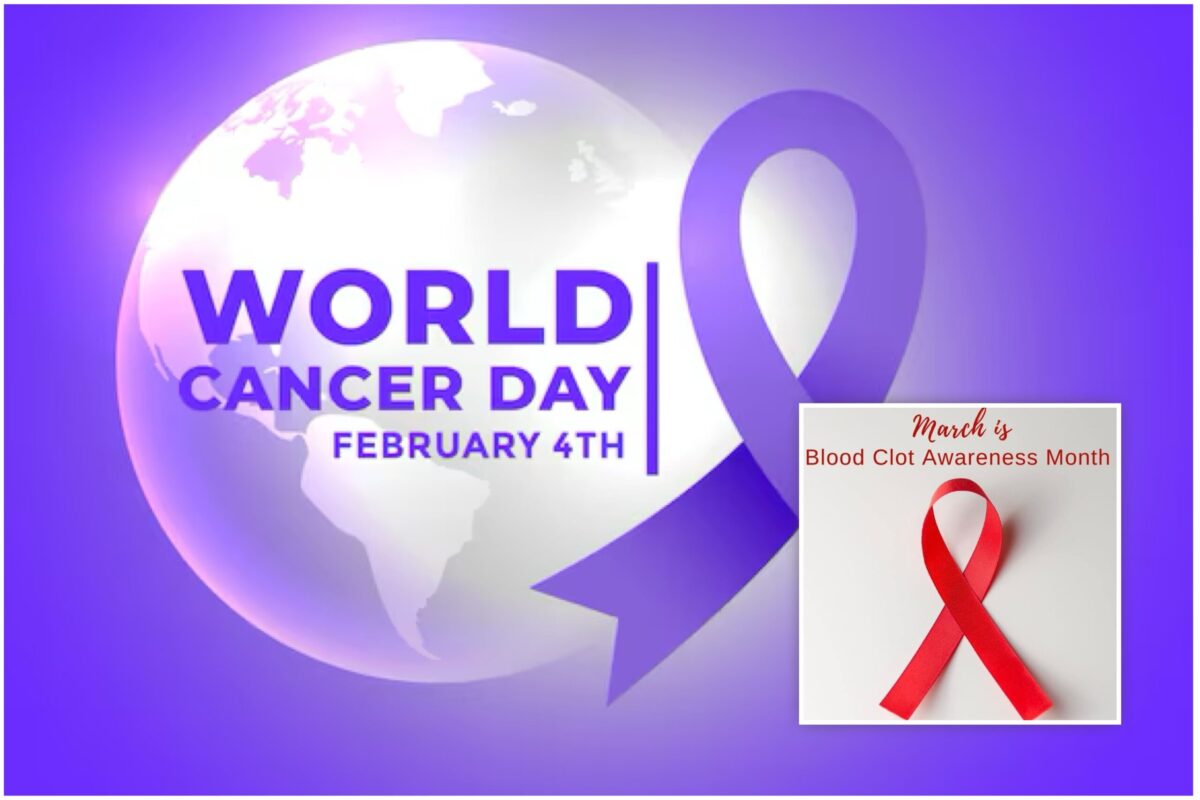
Yesterday was World Cancer Day, we were deeply moved by a heartfelt compliment from a patient who shared their gratitude for the care and compassion they’ve received at our office. They spoke about how our doctors not only provide exceptional medical expertise but also take the time to listen, comfort, and support them through every step of their journey. Moments like these remind us why we do what we do. Our mission is not just to treat but to uplift, reassure, and stand by our patients in their most vulnerable moments. We are honored to be part of their fight and will continue to provide the highest level of care to every patient who walks through our doors.
We thought we would share some information on Blood Clots, as this is what our patient is dealing with on top of fighting cancer.
Blood Clots in the Legs and Lungs
Blood clots can develop in the deep veins of the legs, known as deep vein thrombosis (DVT), and can become life-threatening if they travel to the lungs, causing a pulmonary embolism (PE). Recognizing the symptoms and risk factors is crucial for early detection and treatment.
Deep Vein Thrombosis (DVT)
DVT occurs when a blood clot forms in a deep vein, typically in the legs. Common symptoms include swelling in one leg, pain or tenderness (often in the calf), warmth in the affected area, and skin discoloration. If untreated, a clot can break loose and travel to the lungs, leading to a pulmonary embolism.
Pulmonary Embolism (PE)
A pulmonary embolism happens when a blood clot blocks blood flow in the lungs. Symptoms include sudden shortness of breath, sharp chest pain (especially when breathing deeply), rapid heart rate, coughing up blood, and feeling dizzy or faint. PE is a medical emergency that requires immediate attention.
Risk Factors
Several factors increase the risk of DVT and PE, including prolonged immobility (such as during long flights or bed rest), recent surgery or injury, medical conditions like cancer or clotting disorders, pregnancy, birth control pills or hormone therapy, smoking, obesity, and a family history of blood clots.
Prevention and When to Seek Help
To lower the risk, individuals should stay active, hydrate well, wear compression stockings if recommended, and avoid smoking. Those at high risk may need blood thinners. If symptoms of DVT or PE occur, seeking immediate medical attention is essential, as a pulmonary embolism can be life-threatening.

Today, we’re celebrating Jennifer and the wonderful heart she brings to Family Physicians! Jennifer has been part of our team since February 21, 2011, and her passion for caring for others began long before that. She started her nursing career in the ICU at the University of Iowa, where she recognized just how many health conditions could be better managed, and sometimes even prevented, through great primary care. That realization sparked her passion for family medicine. Fast forward 16 years, and Jennifer says one of the most rewarding parts of her career has been the opportunity to care for so many wonderful people and families. Through life’s challenges and blessings, she hopes to offer support, guidance, and treatment that help make a meaningful difference in their lives. She is truly thankful for the opportunity to be part of her patients’ lives, and we are just as thankful to have her as part […]
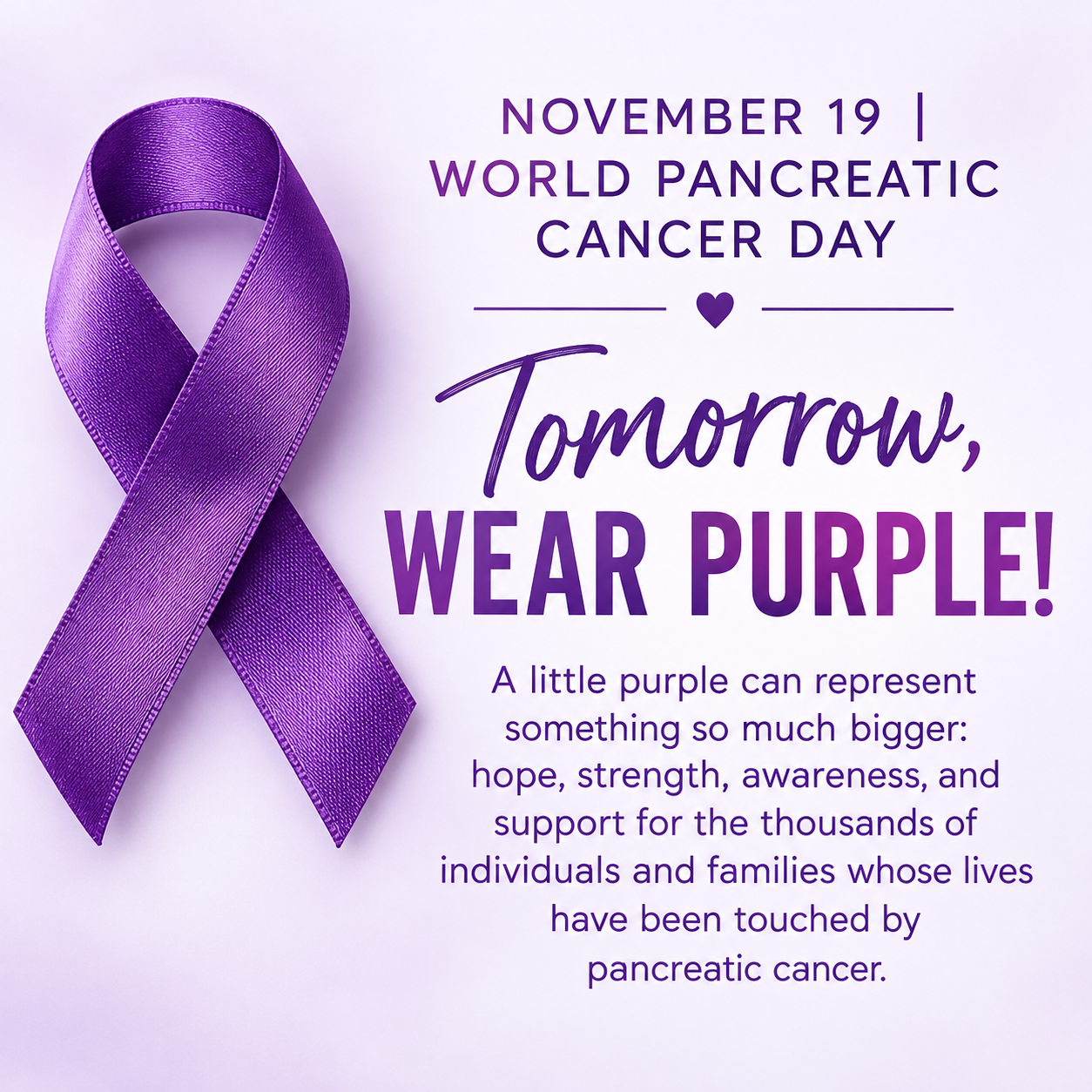
November is Pancreatic Cancer Awareness Month, and this is an opportunity to learn, recognize warning signs, and help bring attention to a cancer that desperately needs more awareness and research. DID YOU KNOW? 💜 Pancreatic cancer is among the leading causes of cancer-related deaths in the United States. 💜 An estimated 67,530 Americans will be diagnosed with pancreatic cancer in 2026. 💜 It is often difficult to detect early because symptoms may not appear until the disease has progressed. 💜 There is currently no recommended routine screening test for people at average risk. KNOW THE POSSIBLE WARNING SIGNS: • Persistent abdominal or back pain • Unexplained weight loss • Loss of appetite • Yellowing of the skin or eyes (jaundice) • Dark urine or light-colored stools • Digestive changes, nausea, or vomiting • New-onset diabetes or unexplained changes in blood sugar • Unusual fatigue WHO MAY BE AT HIGHER RISK? • Smoking […]
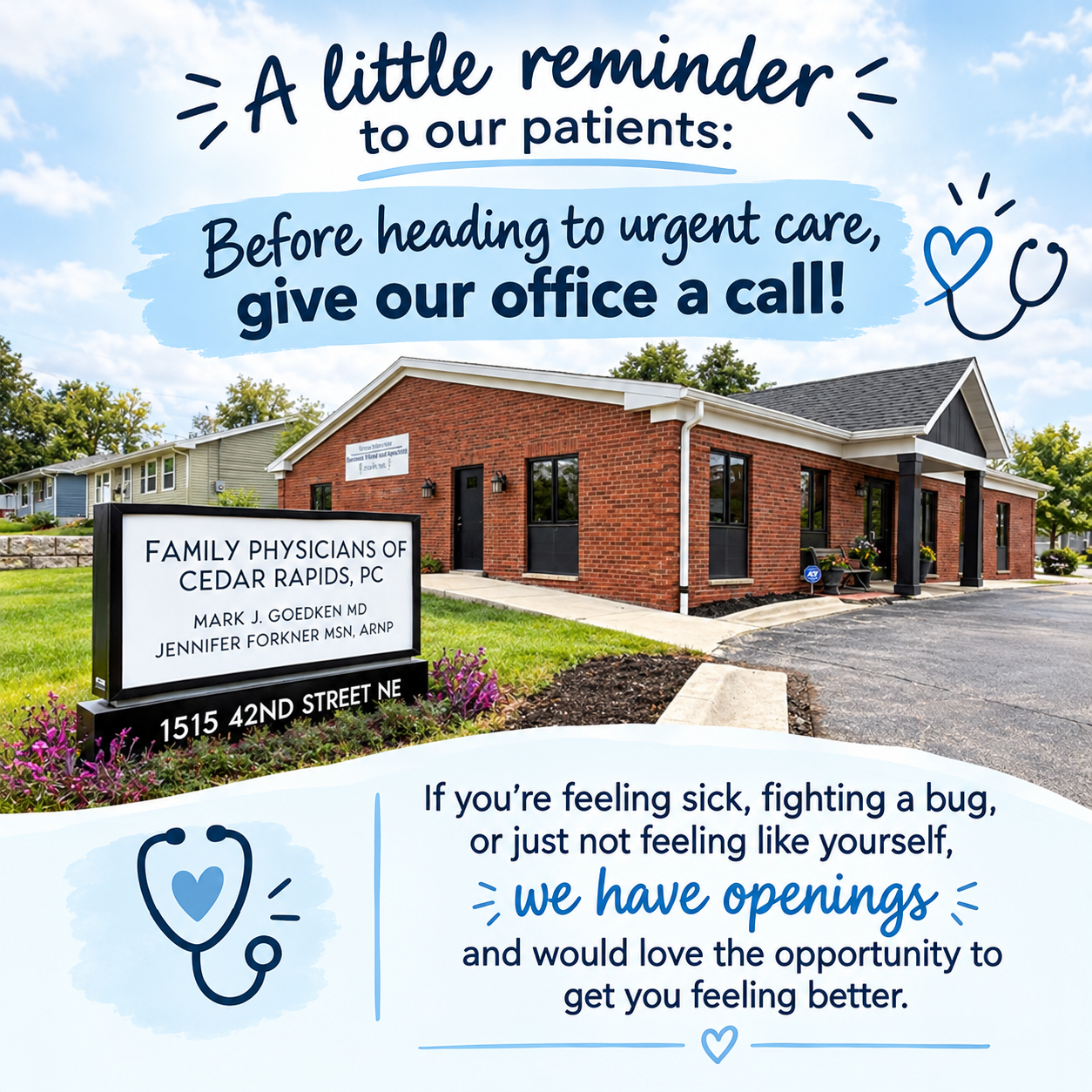
Your family doctor is often the best place to start, and our team is just a phone call away! We’re here for you, because your health matters to us! Just a little reminder: if symptoms are severe or potentially life-threatening, emergency care is the right choice.
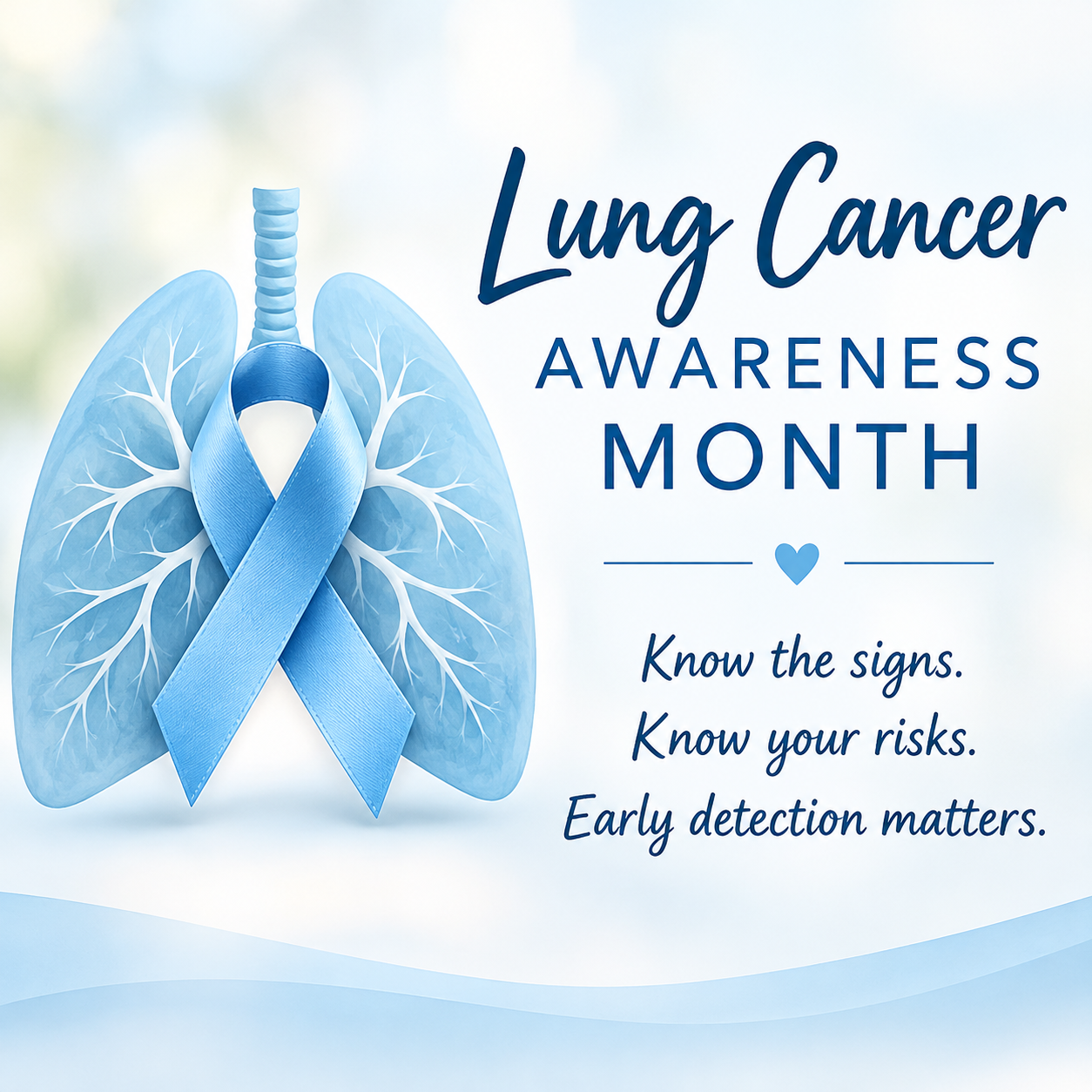
Sometimes the most important thing we can do for our health is simply pay attention. Lung cancer affects thousands of families every year. While smoking is the leading risk factor, you do not have to be a smoker to develop lung cancer. DID YOU KNOW? Lung cancer is the leading cause of cancer-related deaths in the United States. Exposure to secondhand smoke, radon, certain workplace chemicals, and family history can also increase risk. Lung cancer may not cause noticeable symptoms in its early stages. Early detection can make a meaningful difference. KNOW THE POSSIBLE WARNING SIGNS: A cough that doesn’t go away or gets worse. Shortness of breath or wheezing. Chest pain or discomfort. Coughing up blood. Unexplained weight loss. Ongoing fatigue. Repeated bouts of bronchitis or pneumonia. DON’T IGNORE THE SIGNS. Annual low-dose CT lung cancer screening may be recommended for adults ages 50–80 who have a 20 pack-year smoking history […]